
This edition highlights a curated selection of sector-relevant reports and commentary on work and regulation. It includes proposals for a national labour hire licensing scheme and a progressive agenda to lift living standards. We also cover recent horticulture compliance findings from FWO, new research on housing insecurity among temporary visa holders, and a major survey on fear and silence among PALM workers, alongside on-the-ground reporting on Filipino farm workers in Sunraysia.
Upcoming events

Leading Change Network: Relational Organising to Build Power: LCN Australia Community of Practice Launch Event
17 Feb 2026 | Online | 11 am AEST
Building accessible learning spaces across time zones has long been a challenge.
In 2026, the LCN Australia team is launching a community of practice for community organisers in Australia—also open to anyone across the Asia–Pacific time zone.
A series of online sessions will follow, designed to build momentum and strengthen leadership over time, so organisers can take clearer, more confident action in their communities.

UWU Union Member Workshops
17 Feb – 15 Dec 2026 | Online | 7 pm AEST
UWU is running a series of member workshops throughout the year, covering workplace entitlements, practical skills for navigating work, and organising strategies. Learn more about upcoming sessions and how to register below.

4th Australia and New Zealand Trauma Recovery in Resettlement Conference
4–6 May 2026 | Sydney
Registrations are now open for the 4th Australia and New Zealand Trauma Recovery in Resettlement Conference . This bi-national, sector-leading conference brings together practitioners, researchers, community leaders, people with lived experience, and government stakeholders to share practice insights, research, and policy developments in refugee trauma recovery and resettlement.
Reports and articles
 |
Migrant Justice Institute (2025) |
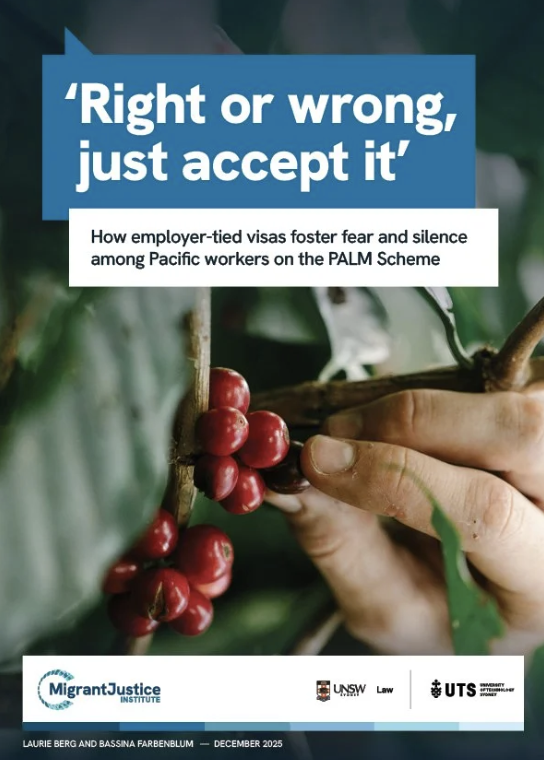
The PALM Scheme aims to create economic opportunities for Pacific and Timor-Leste workers while addressing labour shortages in Australia, with governments claiming worker wellbeing as a top priority. Yet a late-2024 survey of 370 workers indicates many are likely stuck in conditions unacceptable to most Australian workers. Most would not report problems and would change employers if mobility were allowed (64%), often due to unsafe workplaces (30%) or to be treated better (60%). Reporting pathways are rarely used: only 10% would use the DEWR hotline, and many would tell only friends. Fear drives silence - 64% fear job loss and 25% fear being excluded from future work. The report argues supported mobility is essential to reduce retaliation risks and enable safe reporting.
 |
McKell Institute (2025) |
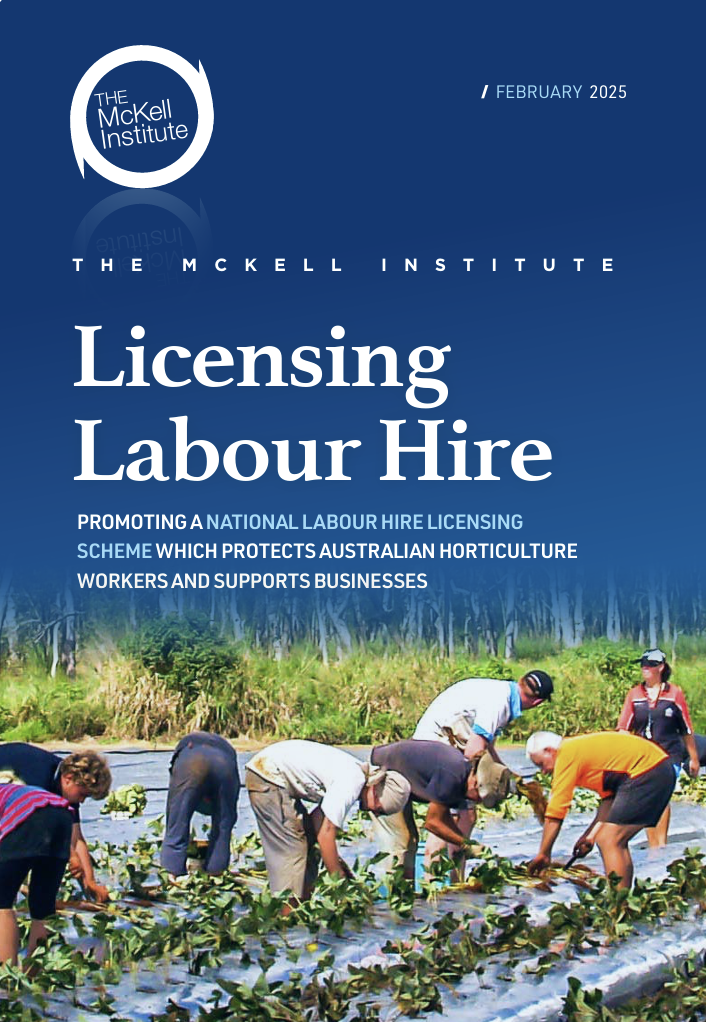
This report advocates for the creation of a National Labour Hire Regulator (NLHR) and licensing scheme to protect workers and strengthen businesses in Australia’s horticulture sector. It highlights how labour hire has often been associated with unfair practices, informal arrangements, and worker exploitation. A national scheme would provide consistent regulation, ensuring worker rights and welfare are safeguarded while reducing exploitation risks. At the same time, it would support businesses by creating a level playing field, improving industry standards, and fostering long-term sustainability and growth. The report positions regulation as vital for both worker protection and business success.
 |
Lisa Heap (Ed.) , with Fiona Macdonald &Charlie Joyce (2025) Solving the crisis: Raising the living standards of Australian workers. Carmichael Centre at the Centre for Future Work. |
This report argues that Australia’s declining living standards are not caused by weak productivity, but by corporate profiteering, stagnant wages, and policy failures – particularly the Reserve Bank’s reliance on interest rate hikes. Despite some recent reforms, many households still struggle with high costs for essentials like housing, food, and energy. Solving the Crisis presents a progressive agenda: lifting real wages, achieving full employment, strengthening public services, making housing affordable, supporting unions, expanding the social wage, and ensuring a fair transition to renewable energy. The report urges the Albanese Government to pursue bold, worker-centred reforms to reduce inequality and rebuild trust.
 |
Fair Work Ombudsman (2025) Horticulture compliance report : Findings from 15 regions |
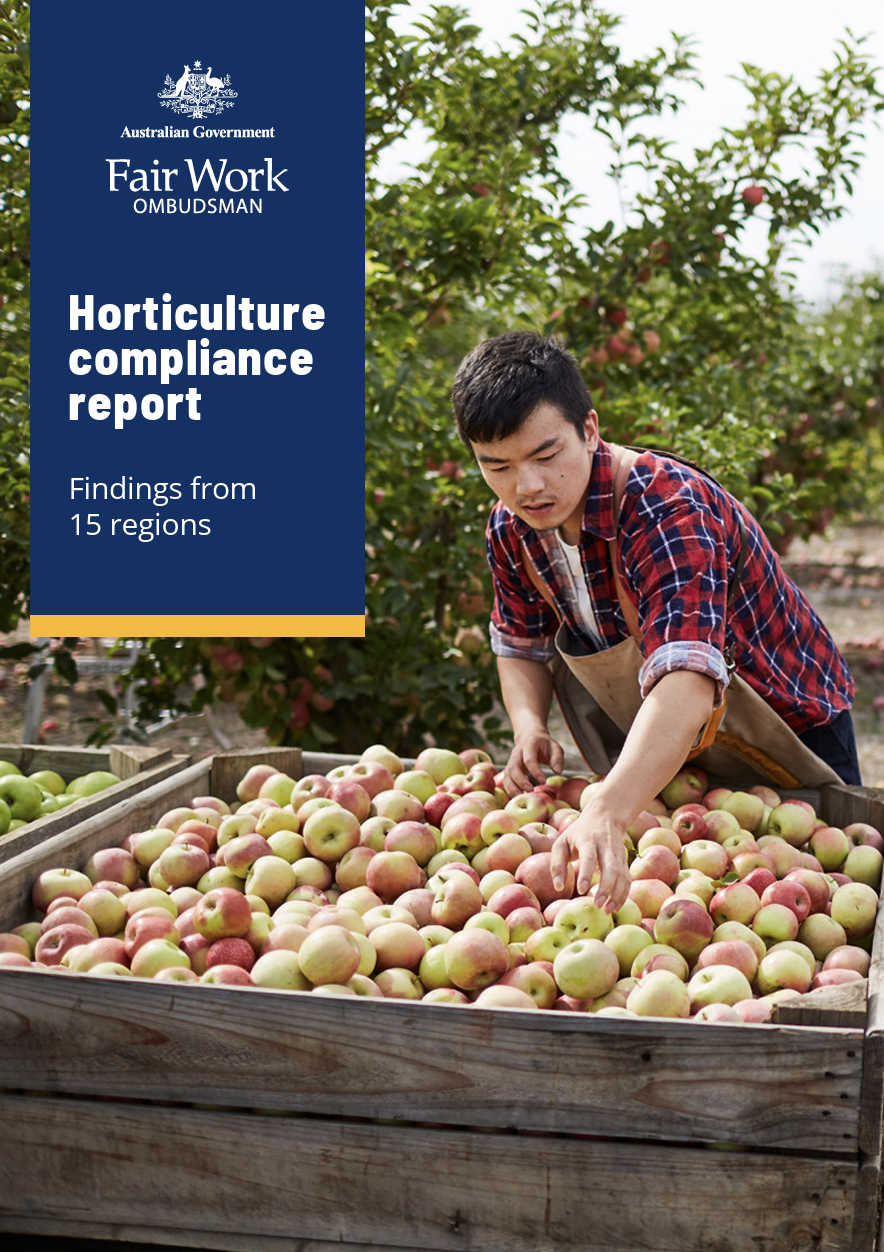
The Fair Work Ombudsman’s Horticulture Compliance Report (2025) outlines outcomes from a three-year strategy (Dec 2021–Nov 2024) targeting high-risk regions for workplace non-compliance. Inspectors conducted 360 site inspections, engaged 545 businesses, and commenced 512 investigations, focusing largely on growers and labour hire providers. Findings show widespread breaches, with enforcement actions requiring corrective measures and remediation for vulnerable workers, especially temporary visa holders. Collaboration with state and federal regulators was key to improving intelligence sharing and enforcement. The report stresses that lasting compliance in this critical sector demands cultural change, industry cooperation, and continued regulatory oversight under the Fair Work Act 2009 (Cth).
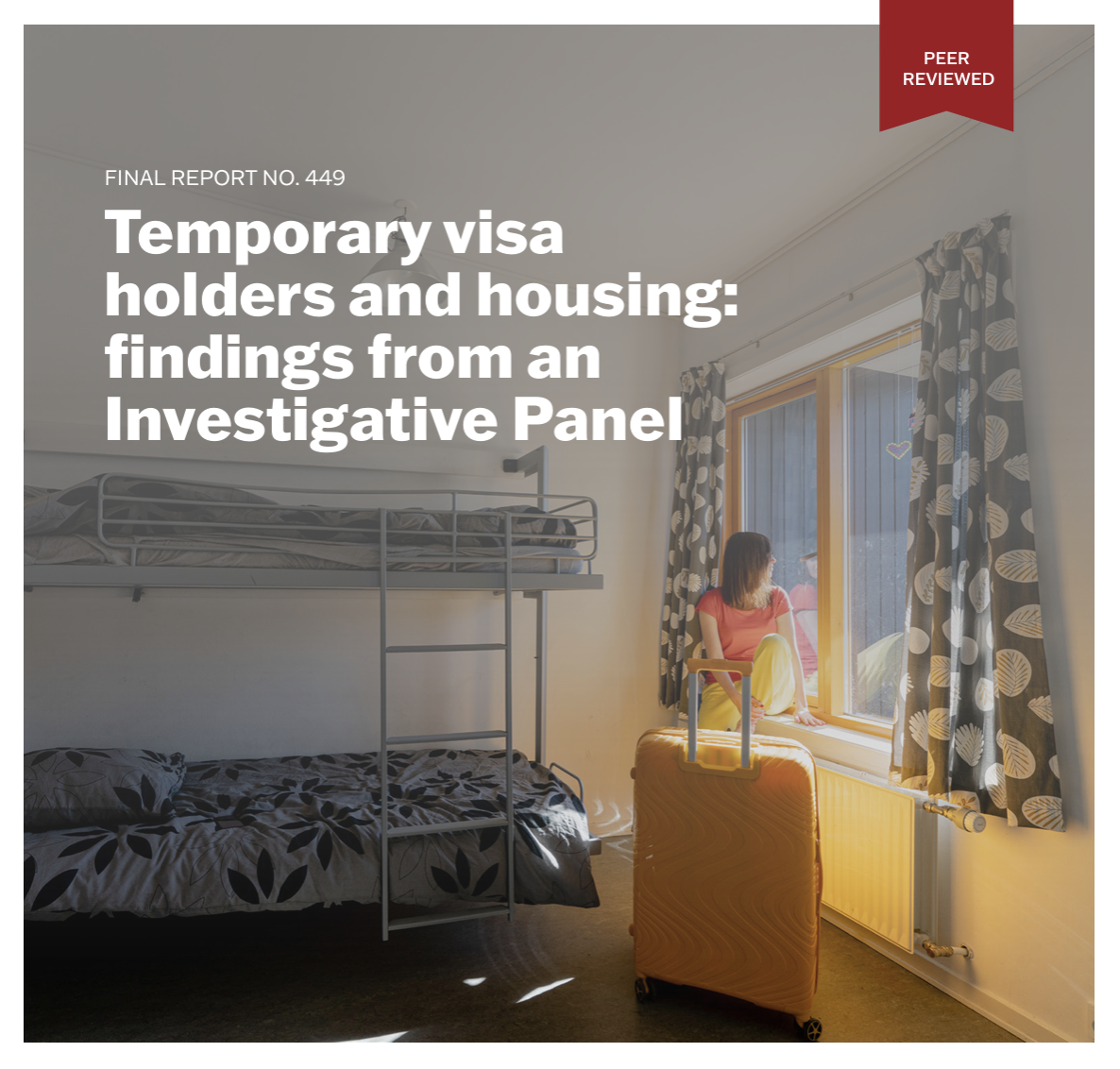 |
AHURI (2025) Temporary visa holders and housing: findings from an Investigative Panel
|
This research examines how Australia’s housing crisis is affecting people on temporary visas. It focuses on how housing insecurity and affordability pressures shape temporary migrants’ wellbeing, stability, and capacity to participate in work and community life, and maps the distinct barriers they face in the rental market and beyond.
This work matters because more than one in ten Australian residents hold temporary visas and make a significant contribution to the economy. Yet the housing impacts on this group are rarely centred in policy debate. Temporary migrants are also frequently blamed for worsening the crisis, despite being ineligible for most housing supports. The research identifies practical opportunities to improve systems, reduce harm, and support both wellbeing and economic participation.
 |
Peter Mares (2025) |
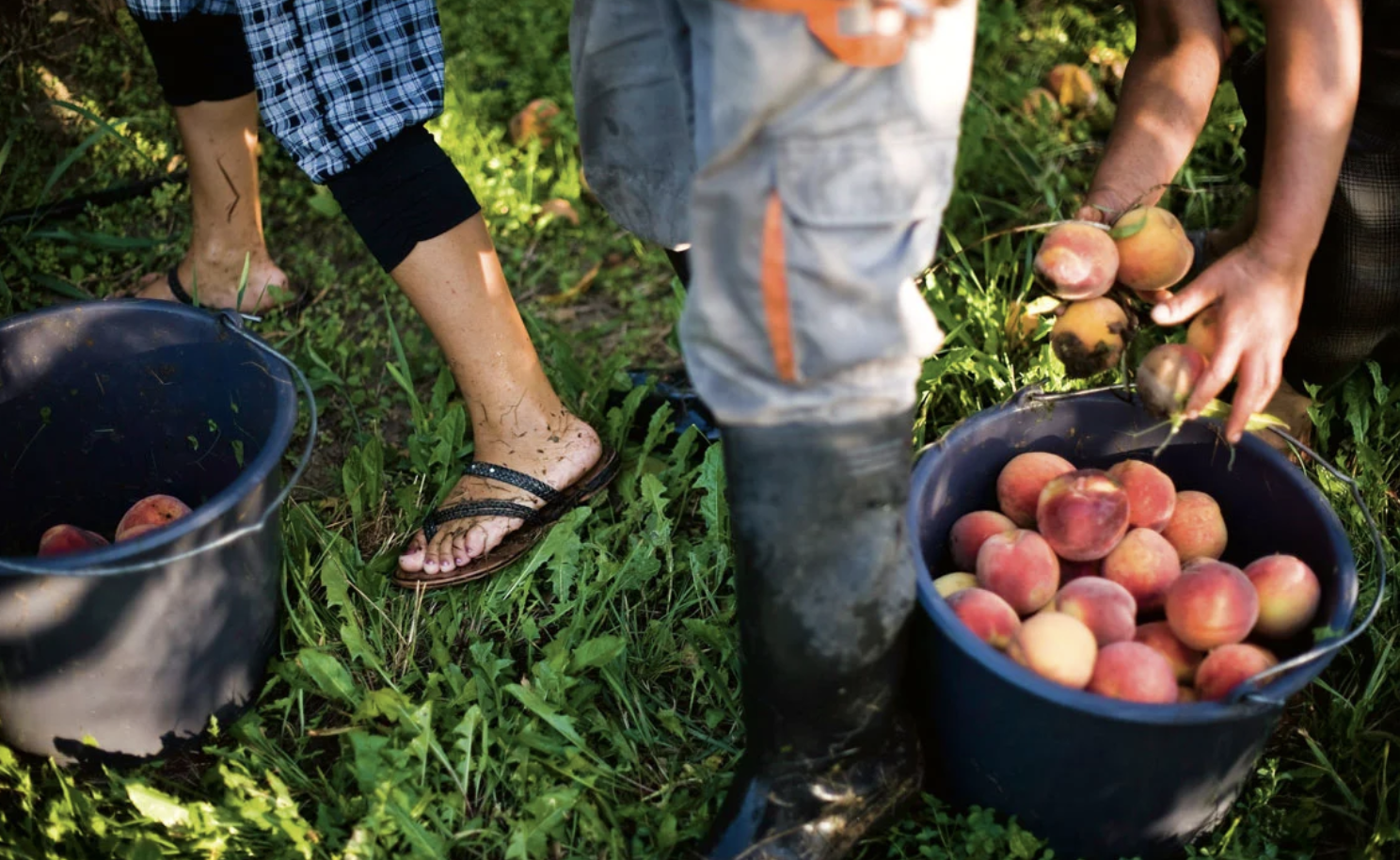
Peter Mares’ The Swan Hill swindle traces how promises of “good wages and conditions” draw Filipino workers to Sunraysia/Swan Hill – then unravel into debt, overcrowded housing, insecure work, and pressure to game the visa system just to stay employed. Through first-hand accounts, the piece shows how intermediaries profit from recruitment, rent, and dependency, while workers carry the risks: isolation, fear of speaking out, and years on precarious bridging visas. It’s a ground-level portrait of farm work life and the hidden costs behind Australia’s horticulture labour supply.
Callout for research materials
Are you interested in having your research featured in a future edition of our Quarterly? Or would you like to collaborate or volunteer with us?
Get in touch with Sherry Huang at [email protected]


